Best organic cat food recommended by vets: 2026 Guide
Compare vet-informed organic cat food priorities with US pet-parent standards. Improve feline safety, nutrition consistency, and daily routines.
Updated: Feb 18, 2026
US Market Edition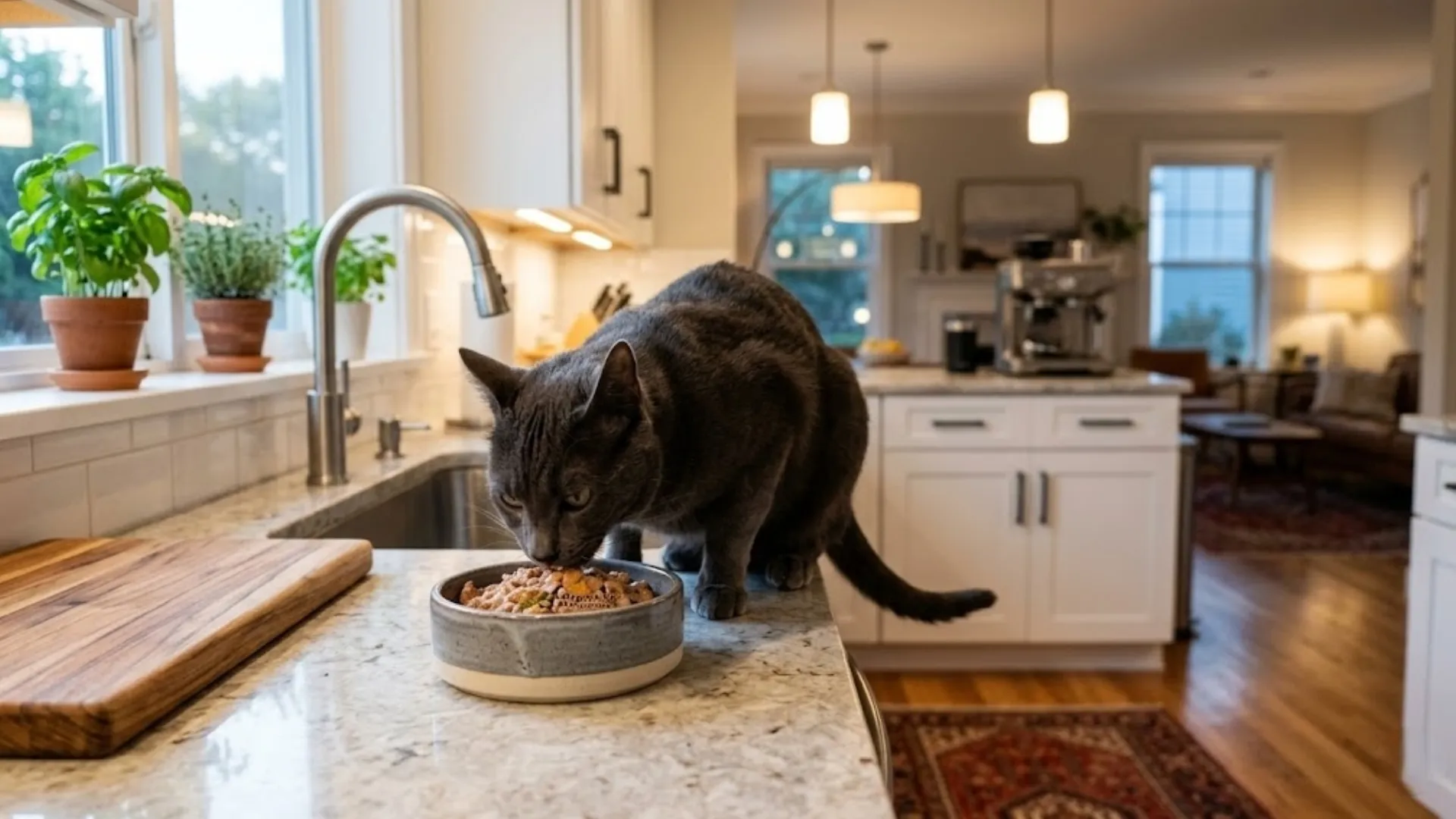
I spent an embarrassing amount of time in the pet food aisle last year, squinting at ingredient labels and wondering if ‘organic’ actually means anything for cats. Spoiler: it can, but the label alone doesn’t tell the whole story. Here’s how to shop smarter for your cat in 2026.
Dog-Specific Tips for US Domestic and International Pet Flights
Airline-Ready Boarding Habits for Dogs
- Keep species diets separate to avoid nutrient imbalance.
- Prevent food swapping during free-roam times.
- Build meal routines that reduce competition stress.
- Store cat food where dogs cannot access it.
Cat-Specific Tips for Stress-Free Air Travel and Daily Mobility
TSA-Approved Carriers for Cats and Quiet Cabin Positioning
- Prioritize complete-and-balanced profiles over marketing claims.
- Check protein source clarity and digestibility.
- Track coat, digestion, and energy for 2–4 weeks.
- Adjust gradually to avoid sudden GI reactions.
Your pet deserves a profile as unique as they are. Build their digital ID in minutes and keep everything share-ready whenever you need it.
Vet-Approved Tip
Ingredient transparency and consistency matter more than packaging language alone.
Frequently Asked Questions
Is organic always healthier for cats?
Not automatically; complete nutrition standards still come first.
How fast should I switch cat food?
Use gradual transitions over several days.
Should indoor and outdoor cats eat the same formula?
Activity and health profile may require different approaches.
Ready for Departure? Create your Pet's ID now
Build a share-ready digital ID for your dog or cat in seconds and organize your travel profile instantly.
Open ID Generator