Digital pet tags vs physical microchips 2026: 2026 Guide
Compare digital tags and microchips using US pet-parent standards. Learn what each tool does for safety, identity, and modern pet parenting.
Updated: Feb 18, 2026
US Market Edition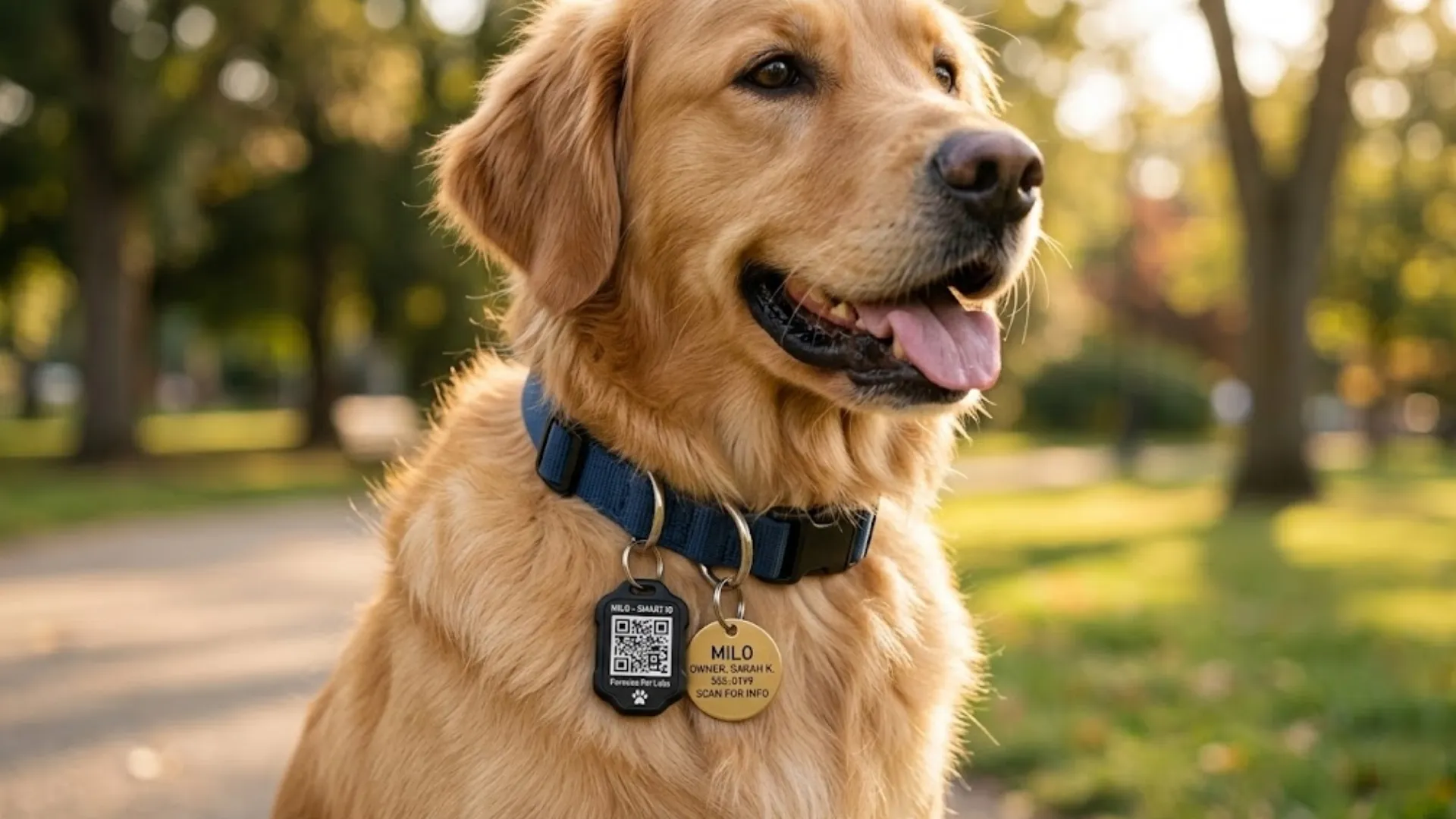
A neighbor found my dog in her backyard last fall. He’d slipped through a gap in the fence, and for about 45 terrifying minutes I had no idea where he was. He had a microchip. He also had a digital tag. The digital tag is what got me a call in 11 minutes. Here’s why you actually need both — and how to keep them working together.
Dog-Specific Tips for US Domestic and International Pet Flights
Airline-Ready Boarding Habits for Dogs
- Use microchips as permanent identity foundation.
- Keep digital tags updated for real-time profile clarity.
- Add behavior and medication notes in private views.
- Recheck data after travel or boarding updates.
Cat-Specific Tips for Stress-Free Air Travel and Daily Mobility
TSA-Approved Carriers for Cats and Quiet Cabin Positioning
- Prioritize chip records for indoor/outdoor transition risk.
- Use digital tags for caregiver-friendly info access.
- Keep feline stress notes available for handlers.
- Pair data updates with vet visit cycles.
Your pet deserves a profile as unique as they are. Build their digital ID in minutes and keep everything share-ready whenever you need it.
Vet-Approved Tip
Recovery speed improves when permanent identification and accessible contact data are both available.
Frequently Asked Questions
Can digital tags replace microchips?
No, they serve different but complementary functions.
Are chips still necessary for indoor pets?
Yes, unexpected escapes still happen.
How often should digital data be updated?
Review after any major health, address, or contact change.
Ready for Departure? Create your Pet's ID now
Build a share-ready digital ID for your dog or cat in seconds and organize your travel profile instantly.
Open ID Generator